A Comprehensive Overview to Aluminum Casting: Strategies, Uses, and Industry Insights
Aluminum casting is an essential process with diverse applications throughout several industries. This overview checks out various casting strategies, consisting of sand, pass away, and investment casting. Each method has distinct benefits, adding to aluminum's online reputation for light-weight and corrosion-resistant components. Comprehending these methods is crucial for suppliers seeking to leverage aluminum's homes. The landscape is rapidly evolving. The effect of present fads on future techniques warrants additionally exploration.
Comprehending Aluminum: Properties and Advantages
Aluminum, a versatile metal, is extensively recognized for its one-of-a-kind residential or commercial properties that make it an excellent selection for different applications. It is lightweight yet solid, offering an outstanding strength-to-weight ratio that is especially helpful in industries such as aerospace and auto. Additionally, aluminum exhibits outstanding rust resistance because of the development of a protective oxide layer, which enhances its durability and long life.
The steel is also very flexible, permitting for very easy shaping and manufacture, which adds to its widespread usage in manufacturing. Aluminum is an excellent conductor of electrical energy and warm, making it valuable in electrical and thermal applications. Its recyclability contributes to its appeal, promoting sustainability in producing processes. The mix of these properties not only improves performance but likewise decreases energy intake throughout its lifecycle, positioning aluminum as a key material in modern design and layout.
Overview of Aluminum Casting Techniques

Sand Casting Methods
Amongst different aluminum casting strategies, sand casting stands out as one of the most widely made use of methods as a result of its versatility and cost-effectiveness. This technique involves creating a mold from sand, which can be conveniently shaped to create complicated geometries. The process begins with packaging sand around a pattern, usually made from metal or plastic, to develop a cavity that specifies the last shape. Once the mold and mildew is prepared, molten aluminum is poured right into the tooth cavity, permitting it to cool and strengthen. Afterward, the sand is eliminated, revealing the actors component. Sand casting is specifically favored for creating big components and little production runs, making it an important technique in various sectors, including vehicle and aerospace. Its versatility to different styles boosts its appeal.
Die Casting Processes
Die casting procedures stand for a very effective approach for creating intricate aluminum components with superb dimensional precision and surface coating. This strategy involves forcing liquified aluminum into a mold under high pressure, guaranteeing that even one of the most complex geometries can be attained. There are 2 key kinds of die casting: warm chamber and chilly chamber. Hot chamber pass away casting appropriates for steels with low melting factors, while chilly chamber die casting is preferred for aluminum as a result of its higher melting point. Both methods facilitate rapid manufacturing and can accommodate high quantities, making them perfect for sectors such as auto and electronic devices. Effective die casting needs specific temperature level control and cautious mold and mildew design to protect against flaws and assure quality.
Sand Casting: A Conventional Technique
Although contemporary casting methods have arised, sand casting stays a foundational method in the aluminum market because of its versatility and cost-effectiveness. This typical method includes developing a mold and mildew from a blend of sand and a binding representative, enabling the production of complex shapes and dimensions. Sand casting is specifically useful for low to medium production volumes, as it lessens setup expenses and time.
The procedure starts with the production of a pattern, which is after that placed in the sand to develop a tooth cavity. When the mold is prepared, liquified aluminum is poured in, loading the tooth cavity and taking the form of the pattern. After cooling, the sand is eliminated, exposing the completed actors part.
Sand casting is widely used for producing automotive parts, machinery components, and imaginative sculptures, highlighting its enduring relevance in numerous sectors of the aluminum sector. (Precision aluminum casting)
Die Casting: Precision and Effectiveness
Die casting is a process that offers amazing precision and effectiveness in aluminum production. This technique is extensively made use of throughout different industries because of its ability to create complex shapes with limited resistances. It likewise presents unique obstacles that require ingenious services to ensure suitable results.
Process Overview and Perks
When considering aluminum casting techniques, die casting sticks out for its accuracy and performance. This procedure entails forcing liquified aluminum into a mold and mildew under high pressure, which allows for intricate layouts and limited tolerances. The quick cooling of the steel guarantees fast solidification, leading to high-quality parts with marginal surface imperfections. In addition, die casting deals outstanding repeatability, making it appropriate for big manufacturing runs. Making use of multiple-use mold and mildews greatly decreases product waste and production time, adding to cost-effectiveness. Furthermore, the toughness and resilience of die-cast aluminum elements make them desirable weblink for demanding applications. In general, die casting combines progressed technology with practical advantages, placing it as a leading option in aluminum casting methods.
Applications in Different Industries
The convenience of die casting enables its application across a wide variety of markets, showcasing its precision and effectiveness. In the auto industry, pass away casting produces detailed elements such as engine blocks and transmission housings, adding to weight decrease and improved performance. The electronics industry advantages from die casting by creating long lasting and lightweight real estates for different tools, boosting both capability and aesthetics. In the aerospace field, this strategy provides high-strength components that hold up against severe conditions while maintaining low weight. Additionally, customer products manufacturers utilize pass away casting for creating parts that need intricate geometries and limited tolerances. In general, die casting plays a necessary function in progressing technology and product style throughout multiple sectors, highlighting its value in contemporary production.
Obstacles and Solutions
Many challenges emerge in the die casting procedure that can affect both precision and performance. One considerable concern is the incident of defects such as porosity, which can compromise the integrity of the last item. Furthermore, maintaining specific temperature level control is vital, as variants can lead to inconsistent material residential properties. Tool damage also present challenges, frequently causing increased manufacturing prices and downtime. To mitigate these problems, producers make use of advanced simulation software to predict potential issues before production starts. Implementing routine maintenance timetables for machinery and devices likewise aids keep effectiveness. Spending in high-grade materials and using competent specialists can improve total procedure integrity, making sure that high standards of accuracy are regularly satisfied.
Investment Casting: Detail and Intricacy
Although financial investment casting is commonly related to high accuracy and intricate layouts, its true strength lies in the capability to create complicated geometries that would be challenging to attain via various other making processes. This strategy uses a wax pattern, which is coated with a refractory product to produce a mold. As soon as the mold and mildew is created, the wax is thawed away, leaving a tooth cavity that perfectly replicates the original pattern.
Applications of Aluminum Castings Throughout Industries
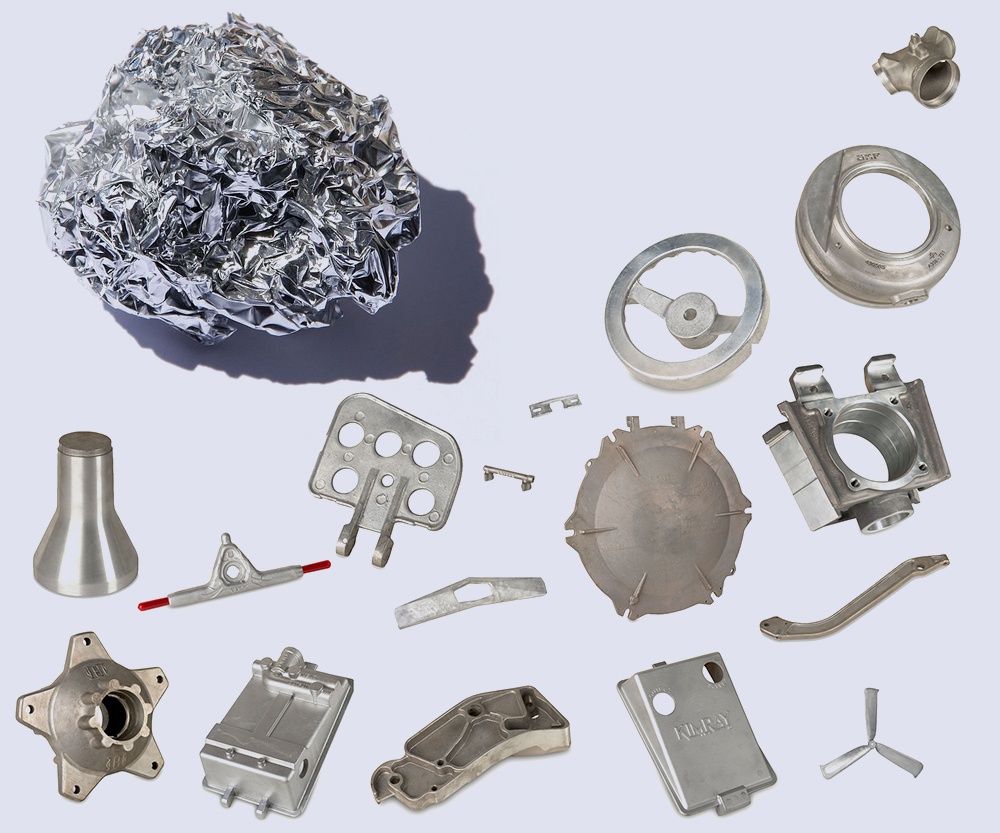
Financial investment casting's capability for producing complex aluminum parts has actually made it an important strategy throughout numerous industries. In the automobile field, aluminum castings are used for engine blocks, transmission real estates, and suspension parts, adding to weight reduction and enhanced fuel effectiveness. The aerospace industry advantages from aluminum castings in aircraft frameworks, turbine housings, and landing gear, where strength-to-weight ratio is crucial. Precision aluminum casting. In addition, the electronic devices industry my link employs aluminum castings for warmth sinks and enclosures, making certain effective thermal management and durability. In the building market, aluminum castings are used for architectural components, window frameworks, and structural parts, supplying deterioration resistance and visual appeal. Furthermore, the marine sector incorporates aluminum spreadings in watercraft engines and fittings as a result of their light-weight and resistance to salt water rust. Overall, aluminum spreadings show flexibility and capability, making them important in diverse applications throughout countless fields
Current Patterns and Future Instructions in Aluminum Casting
Recent improvements in aluminum casting modern technology are forming the future of manufacturing across various sectors. One notable fad is the enhancing adoption of additive manufacturing methods, which permit even more facility geometries and decreased material waste. Furthermore, the combination of automation and robotics streamlines production procedures, boosting effectiveness and precision.
Sustainability is likewise a driving force, with suppliers concentrating on reusing aluminum and reducing energy intake throughout the casting process. This change not only decreases ecological impact however likewise decreases operational prices.
In addition, advancements in simulation software application allow much better design and optimization of casting procedures, causing higher high quality products with less issues. As markets continue to welcome these innovations, the need for light-weight and high-performance aluminum parts is anticipated to climb, better solidifying aluminum casting's role in the future of production. Overall, these fads highlight a dedication to performance, sustainability, and technical improvement in the aluminum casting industry.
Regularly Asked Concerns
What Are the Ecological Influences of Aluminum Casting Processes?
How Does Aluminum Casting Contrast to Various Other Products?
Aluminum casting offers lightweight, corrosion-resistant homes, making it beneficial compared to much heavier this link steels like steel. Its thermal conductivity and convenience of developing further improve its appeal, while particular plastics offer versatility doing not have in traditional aluminum applications.
What Precaution Should Be Taken Throughout Aluminum Casting?
During aluminum casting, necessary security actions include wearing safety gear, making sure correct air flow, making use of fireproof products, maintaining equipment on a regular basis, and sticking to safety and security protocols to avoid crashes and exposure to unsafe fumes and liquified metal.
Just How Can I Choose the Right Aluminum Alloy for Casting?
Selecting the appropriate aluminum alloy for casting includes examining mechanical buildings, corrosion resistance, and intended application. Think about elements like temperature resistance and weldability to ensure the chosen alloy fulfills details performance and toughness demands.
What Are the Usual Defects in Aluminum Castings and Their Solutions?
Common defects in aluminum spreadings include shrinking, porosity, and surface area flaws. Solutions entail boosting mold and mildew design, controlling air conditioning prices, and guaranteeing correct alloy choice, along with applying extensive examination techniques to recognize and remedy these problems effectively.
Amongst the most generally used methods are sand casting and pass away casting, each offering unique benefits and applications. Amongst different aluminum casting methods, sand casting stands out as one of the most commonly utilized techniques due to its versatility and cost-effectiveness. Warm chamber pass away casting is suitable for metals with low melting points, while chilly chamber die casting is preferred for aluminum due to its greater melting factor. Modern-day casting strategies have actually emerged, sand casting remains a foundational technique in the aluminum sector due to its convenience and cost-effectiveness. When considering aluminum casting methods, pass away casting stands out for its accuracy and effectiveness.